
Why Does Your Hair Colour Fade Faster After a Major Cut or Style Change
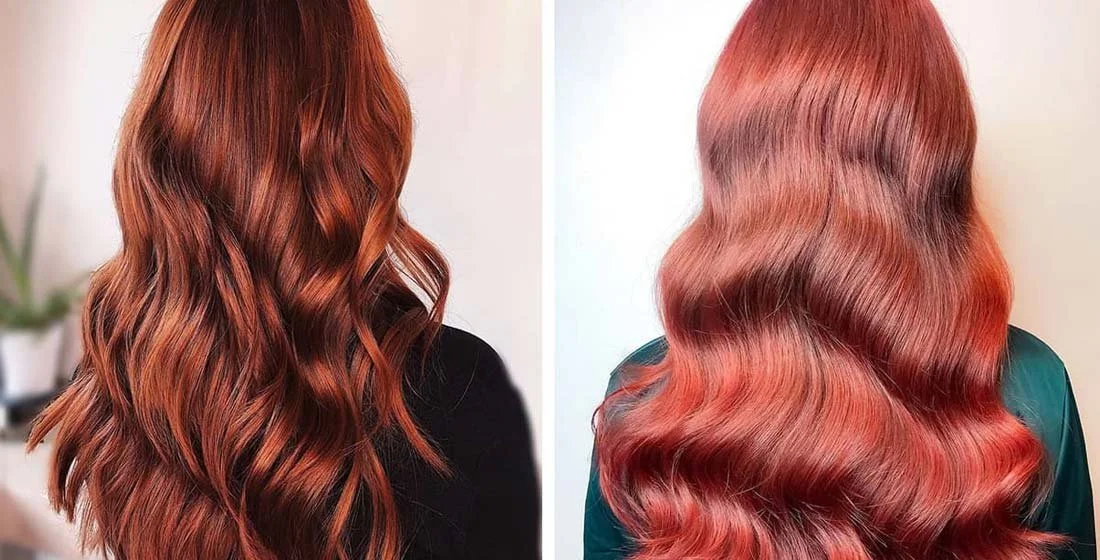
There’s nothing quite like the feeling of leaving the salon with a brand-new look especially after a dramatic haircut or complete style transformation. But if you’ve noticed your color fading faster than usual after that big change, you’re not alone.
Many clients are surprised when their once-rich tones appear lighter, duller, or less vibrant only weeks after a major restyle. The truth is, cutting or restyling your hair alters its structure, texture, and how it interacts with color. Even though the dye itself hasn’t changed, the way your hair reflects and retains pigment certainly can.
This article explains the science behind why color fades faster after a big haircut or styling shift and what you can do to keep your new look fresh, shiny, and long-lasting.
The Science of Color Retention
Hair color works by depositing pigment molecules into the cortex, the inner layer of your hair strand. For this pigment to stay vibrant, the outer cuticle layer must remain smooth and sealed.
When your hair’s structure changes whether from cutting, reshaping, or texturizing the way those cuticles lie and reflect light also changes. Combined with styling habits and environmental factors, this can speed up fading even when your stylist uses the same formula.
Maintaining color vibrancy requires balancing three factors: hair health, surface texture, and aftercare. A major cut or style shift can influence all three at once.
How a Major Haircut Can Change Color Longevity
Here are some ways that a major haircut can impact the longevity of your hair color:
1. Exposing Healthier Hair Alters Pigment Retention
When you cut off damaged or overprocessed ends, you expose the newer, healthier sections of your hair. While this sounds like a positive thing, healthy hair is often less porous, which means it may not hold pigment as deeply as porous ends once did.
Color molecules sit closer to the surface, making them more prone to washing out or fading under sunlight. This is particularly noticeable in freshly cut blonde or red hair, where vibrancy depends on how well the pigment settles within the cuticle layer.
2. Increased Light Reflection Can Make Color Look Lighter
A fresh cut typically reveals smoother, freshly trimmed ends. These polished surfaces reflect more light, giving the illusion of slightly lighter color even if no pigment has actually faded.
This optical brightness can make darker tones appear softer and blondes seem brighter, creating the perception that color has lifted or faded when, in fact, it’s just more reflective.
3. Altered Layering and Shape Affect Color Distribution
When you move from long, heavy hair to a layered or shorter style, light interacts with your color differently. Layers reveal more dimension and texture, which can cause highlights or lowlights to appear more prominent.
This can sometimes make your base shade appear lighter, even though the formula hasn’t changed.
4. Exposure of Inner Hair Layers
Cutting away the outermost sections of hair exposes inner strands that may have absorbed color differently in past treatments. These interior areas might have lighter or more uneven pigment levels, resulting in an inconsistent tone post-cut.
In such cases, it’s not that the new color faded faster, you’re simply seeing new parts of your hair that were previously hidden.
How Styling Changes Influence Color Retention
Major style changes go beyond scissors. Texture shifts like adding layers, smoothing treatments, or waves also affect how long your color lasts.
1. Heat Styling and Chemical Exposure
If your new look involves frequent blowouts, curling irons, or straighteners, the added heat can lift pigment molecules from the cuticle. Consistent high-heat exposure is one of the fastest ways to dull color vibrancy, especially for red and copper tones.
2. Texturizing or Thinning Techniques
Thinning shears or razors create lighter, airier ends but can also increase porosity. Porous hair struggles to hold onto color molecules, allowing them to rinse out more easily during washing.
3. Layered Cuts Increase Sun Exposure
More layers mean more surface area exposed to UV rays. Even moderate sunlight oxidizes hair color, especially blondes and lighter brunettes, leading to a gradual fade or brassiness.
4. Styling Product Residue
A new haircut often means a new styling routine. Products like dry shampoos, volumizing sprays, or texture powders can leave a dulling film or buildup on the hair. This uneven surface prevents light from reflecting properly, making hair color appear flat.
The Role of Porosity After a Cut
Porosity refers to how well your hair absorbs and holds moisture and it’s one of the biggest factors in color retention.
After a major cut, the balance of porosity along your strands changes. Previously, you might have had highly porous ends from years of coloring or heat styling. Once those are removed, the remaining hair may be much smoother, resulting in different color behavior.
Low Porosity Hair (Often Newly Cut)
Pigment doesn’t penetrate as deeply.
Color may appear brighter initially but fade faster with each wash.
High Porosity Hair (Typically Older Lengths)
Color absorbs deeply but washes out unevenly.
Ends tend to hold pigment longer, creating depth.
After a cut, your hair shifts toward lower porosity, which looks glossy and healthy but doesn’t “grip” color as strongly.
The Psychological Factor: Why Color Seems to Fade Faster
Sometimes, the perception of fading is visual rather than chemical. A shorter haircut or restyle exposes more of your face and neckline, changing how color interacts with your skin tone and lighting.
A color that once framed your face with depth and shadows now reflects differently under salon lights or daylight. The new proportions can make your shade appear softer or lighter even when pigment levels remain unchanged.
How to Maintain Vibrancy After a Major Cut
If you’ve recently changed your hairstyle and noticed faster fading, don’t worry a few simple adjustments can help restore color longevity and shine.
1. Switch to a Color-Safe Shampoo and Conditioner
Use sulfate-free formulas designed for color-treated hair. These cleanse gently without stripping pigment molecules. Look for ingredients like keratin, amino acids, or natural oils that smooth the cuticle and lock in moisture.
2. Rinse with Cool Water
Hot water lifts the cuticle and allows color to escape. Cool or lukewarm water helps seal it, preserving pigment and shine.
3. Add a Gloss or Toner Between Appointments
A semi-permanent gloss adds depth, shine, and a refreshed tone without major chemical exposure. It’s ideal after a haircut when your color may need rebalancing to suit the new style.
4. Limit Heat Exposure
Reduce direct heat from styling tools or switch to low settings. Always use a heat protectant spray before blow-drying or ironing.
5. Protect from UV Exposure
UV rays are one of the biggest causes of color fading. Use UV-blocking sprays, wear hats outdoors, and avoid prolonged sun exposure right after coloring.
6. Hydrate Regularly
Healthy moisture levels keep the cuticle smooth and reflective. Use a weekly deep-conditioning treatment to maintain elasticity and shine.
7. Clarify Periodically
Product buildup dulls color vibrancy. Use a clarifying shampoo once a month to reset the scalp and hair, just be sure to follow with a hydrating mask.
When to Refresh Your Color
Even with the best care, color naturally fades over time. But if you’ve recently had a major haircut, your maintenance schedule might need adjusting.
Highlights or Balayage: Every 10–12 weeks.
Solid or Dark Colors: Every 6–8 weeks.
Fashion Shades: Every 4–6 weeks due to smaller pigment molecules.
Gloss or Toner Refresh: Every 4–8 weeks for shine and tone correction.
Discuss your new haircut and lifestyle with your stylist so they can adjust your color formula or refresh intervals to match your new hair texture and exposure levels.
How Stylists Customize Color for a New Cut
A professional colorist considers multiple factors when reapplying color after a big style change:
Length and layering: Shorter styles may need lighter roots or brighter tones for balance.
Texture changes: Wavier or thinner styles reflect light differently, affecting tone perception.
Condition of new ends: Healthier strands may need a longer processing time or a slightly deeper formula.
Light reflection: Stylists often add lowlights or gloss to maintain dimension post-cut.
Adjusting color depth and tone ensures your new cut complements your complexion and maintains its salon-fresh vibrancy longer.
Common Mistakes That Accelerate Fading After a Cut
Proper care immediately after coloring is essential for color longevity. Avoid washing your hair for at least 48 hours post-treatment to allow the pigment molecules to fully set within the hair shaft.
Skipping professional toning treatments can also lead to faster fading. Toners are vital for maintaining the desired shade and sealing the color for extended vibrancy.
Furthermore, using harsh tools like abrasive brushes or rough towels can strip pigment from the hair and reduce its natural shine. Poor scalp health is another contributing factor, as it can result in uneven oil distribution, leading to premature dullness.
Lastly, it is advisable to avoid styling sprays with high alcohol content. These products can dehydrate the hair cuticle, which in turn accelerates the fading of your color.
FAQs
Why does hair color fade faster after a major haircut or restyle?
After a big cut, freshly exposed strands may lose pigment faster because the hair dye hasn’t fully penetrated those new layers. Frequent washing, hot water, and harsh shampoos strip color from dyed hair, especially semi-permanent dyes and lighter shades. Maintaining a consistent hair care routine helps prevent rapid color fading and keeps hair healthy and glossy.
How do styling habits affect hair color’s longevity?
Excessive use of heat styling tools like flat irons or blow dryers breaks down dye molecules, leading to dull-looking hair. To retain color, limit heat styling, use lukewarm or cool water, and always apply a heat protectant spray to protect your hair and preserve vibrant hair color.
What are the best products to prevent faded hair color?
Use sulfate-free shampoo and color-depositing conditioner specifically designed for colored hair. Weekly hair masks and semi-permanent hair color refreshers nourish strands, restore shine, and extend the color fade timeline.
How can you make your vibrant shades last longer?
Keep your hair moisturized with argan oil or coconut oil, and avoid frequent washing that can strip hair. Wear a swim cap to prevent mineral buildup, maintain a balanced diet rich in vitamins, and use professional hair care products to keep vibrant shades and permanent hair dye lasting longer.
Conclusion
A major haircut or style change refreshes your look, but it also alters how your hair interacts with light, pigment, and moisture. Even though your stylist may use the same color formula, your new shape, length, and porosity influence how that shade behaves.
Faster fading doesn't mean bad coloring, it just reflects natural changes in your hair! But with proper aftercare, glossing treatments, and protective routines, you can absolutely keep your cut looking vibrant and fresh for longer.
Remember, great color isn't only about the formula; how you care for your hair afterward makes a huge difference too!
Visit Heartbreaker Salon Today
Are you looking for the best hair care in Vancouver? At Heartbreaker Salon, we don't just fix damaged hair. We restore it. Since 2011, we've been rated one of the best hair salons in Vancouver and have a high-quality hair care team to back it up. So what are you waiting for? Visit us today!