
Should You Wait Until After a Haircut to Get Extensions, or Go Before
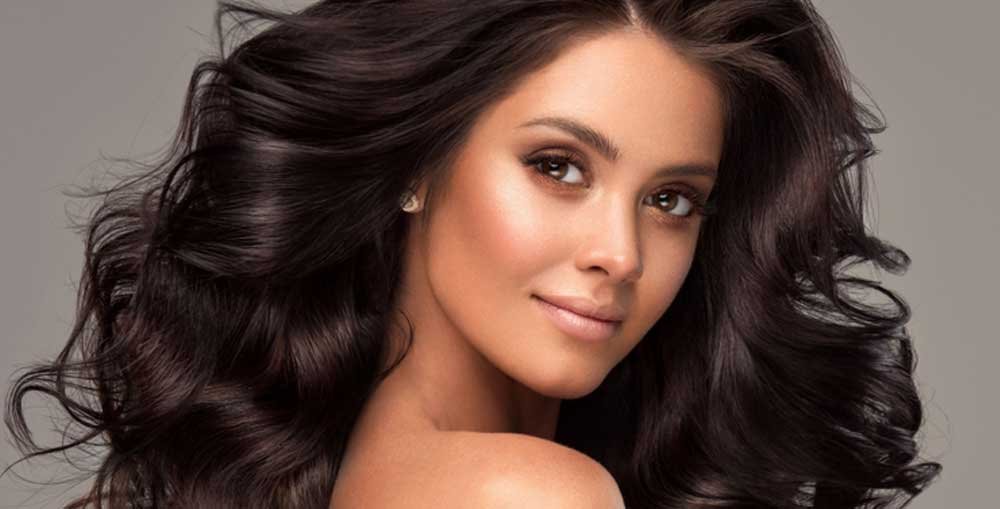
Deciding whether to get a haircut before or after hair extensions can make a big difference in how your final look turns out.
The timing affects how well the extensions blend with your natural hair, how long they last, and how polished the result appears. Some people prefer trimming first to remove split ends and create a healthy base, while others wait until after installation to shape everything together for a seamless blend.
The best approach depends on your goals, extension type, and current hair condition. Understanding when to cut ensures your extensions look natural, balanced, and beautifully integrated with your existing style.
Understanding the Purpose of Hair Extensions
Hair extensions are designed to enhance your natural hair by adding length, volume, or both. They can also be used to create highlights, lowlights, or new tones without chemical coloring. Extensions come in various types, including clip-ins, tape-ins, fusion, and sew-ins, each offering different levels of commitment and maintenance.
Beyond aesthetics, extensions can help correct uneven growth or thinning areas, giving your hair a fuller and more balanced appearance. The goal is to achieve a natural, seamless look that complements your haircut and texture. When applied correctly, extensions move and blend with your own hair, allowing you to style freely while maintaining a realistic and healthy-looking finish.
Why You Might Get a Haircut Before Extensions
Getting a haircut before extensions is one of the smartest ways to prepare your natural hair for a flawless blend and healthier finish. It helps create a strong foundation that supports the extensions while maintaining balance, shape, and manageability.
Removes Damaged or Uneven Ends
Over time, hair naturally develops split or uneven ends. Applying extensions over dry or frayed strands can make blending difficult and cause the new hair to look uneven. A fresh trim ensures clean, healthy edges, allowing the extensions to integrate smoothly and look more natural.
Creates a Balanced Base for Application
Stylists need a well-shaped, even perimeter to attach extensions securely. A pre-extension haircut helps even out layers or blunt lines, making it easier to distribute extensions evenly throughout the hair. This ensures a seamless transition between your natural strands and added length.
Improves Longevity and Comfort
Healthy, freshly trimmed hair supports extension bonds more effectively, preventing premature slippage. When damaged ends are removed, extensions sit more comfortably and maintain their hold for longer. This is particularly important for semi-permanent types such as fusion or tape-ins.
Defines the Final Style Vision
Cutting first also helps define the final style goal. If you plan to maintain your current haircut and simply add volume or length, trimming beforehand gives your stylist a clear shape to follow when placing the extensions. It also helps visualize where extra fullness or highlights will look most natural.
Reduces Maintenance and Styling Stress
Extensions attached to damaged or uneven hair often require more daily styling to hide imperfections. A clean, trimmed base ensures less tangling, easier brushing, and a smoother overall finish.
In short, a pre-extension haircut prepares your hair for the best possible result. It ensures a secure, balanced, and beautifully blended look that enhances both health and style.
Why Some Prefer Cutting After Extensions
Many stylists and clients prefer cutting hair after extensions are installed because it allows for more precise blending between natural hair and the added length. Once extensions are applied, the stylist can clearly see how the textures, tones, and thickness align.
Cutting afterward ensures that layers, ends, and framing pieces flow seamlessly from your natural hair into the extensions, eliminating any visible lines or unevenness. This method is especially useful when transforming short or blunt cuts into longer, softer styles.
It also allows stylists to customize the final look, shaping the extensions to suit your face and desired finish. By blending both together after installation, you achieve a polished, natural-looking result that moves and falls beautifully.
Factors to Consider Before Deciding
Choosing whether to cut your hair before or after extensions depends on several key factors that affect the outcome, comfort, and longevity of your new look.
Hair Type and Condition
Your hair’s health should guide your decision. If your ends are dry, split, or uneven, trimming them before installation ensures a smoother, cleaner base. Extensions attach better to healthy strands and last longer without tangling. However, if your hair is already strong and healthy, your stylist may prefer to shape it after applying extensions for the best blend.
Desired Length and Style
Think about your goal. If you want to maintain your current shape and only add volume, trimming before installation works best. If you’re planning a major change in length or layers, cutting after extensions allows your stylist to sculpt the shape precisely to match the new proportions.
Type of Extensions
The method used plays a big role. Fusion or tape-in extensions require a clean, even base, so trimming beforehand is ideal. For clip-ins or sew-ins, where blending is key, a post-installation haircut ensures a seamless transition between natural hair and extensions.
Blending and Layering Needs
If your natural hair is blunt or short, cutting after installation allows for customized layering. Stylists can soften the line where your natural hair meets the extensions, creating a natural flow. Skipping this step may leave noticeable separation between lengths or textures.
Maintenance and Longevity
Trimming before installation can make extensions easier to maintain since damaged ends won’t cause tangles or breakage. However, trimming after installation ensures both natural hair and extensions stay aligned as they settle, keeping the look balanced for longer.
Professional Input
Ultimately, the best decision depends on your stylist’s recommendation. They will assess your hair health, desired result, and extension type to determine the best sequence. Many professionals suggest a light trim before and a blending cut after, ensuring both structure and harmony.
By considering your hair’s condition, extension method, and style goals, you can make an informed choice that guarantees a healthy, natural-looking, and beautifully blended finish.
The Ideal Sequence for a Natural Result
Start with a Light Trim
Before extensions are applied, remove split or uneven ends to create a clean, healthy base. This helps extensions attach more securely and ensures smoother blending later.Assess Hair Texture and Shape
Your stylist should examine the natural density, texture, and fall of your hair. This determines how the extensions should be placed for even distribution and a balanced finish.Install Extensions with Precision
Extensions should be installed according to your head shape and desired style. Proper placement ensures they lie naturally and move seamlessly with your own hair.Check Color and Texture Matching
Before final styling, ensure that the extension shade and texture perfectly complement your natural hair. Slight tonal adjustments or gloss treatments can improve harmony and shine.Perform a Blending Cut After Installation
Once extensions are in place, a blending cut is essential. This step removes visible lines, softens transitions between natural hair and extensions, and enhances movement for a natural flow.Finish with Styling and Product Protection
Apply a lightweight serum or heat protectant and style to your preference. This final step seals the look, adds smoothness, and prevents frizz or dryness.
Following this sequence, trim, install, blend, and finish creates the most seamless, natural result. It ensures your extensions look cohesive, healthy, and beautifully integrated with your natural hair.
Professional Recommendations
Stylists generally recommend combining both approaches for the most natural and lasting result. Begin with a light trim before installation to remove split ends and create a smooth, even base.
After extensions are applied, schedule a blending cut to ensure the added length transitions seamlessly with your natural hair. This two-step process allows for both secure attachment and a flawless finish. Regular trims every six to eight weeks help maintain the extensions’ shape and prevent tangling or breakage.
Always use sulfate-free, extension-safe products and avoid applying heavy oils near bonds or tapes. Professional color matching and texture alignment are also essential to ensure consistency. By following your stylist’s tailored advice, you can achieve a perfectly balanced and well-blended result every time.
Human Hair vs. Synthetic: Why Real Hair Extensions Win
Choosing between human hair and synthetic extensions means understanding their key differences. Human hair extensions offer a natural look and feel, blending seamlessly with your own hair's texture and shine.
They provide superior styling flexibility, allowing you to use heat tools like curling irons and straighteners without damage. Properly cared for, human hair extensions last longer, several months or even up to a year. Plus, they can be customized with highlights, lowlights, or toning to perfectly match your desired color.
In contrast, synthetic extensions are less durable and often heat-sensitive, which limits styling options. They typically last only a few weeks before losing their quality. Though human hair extensions cost more upfront, their longevity, natural movement, and comfort make them a better long-term investment.
For versatility, authenticity, and lasting results, human hair extensions are the ideal choice for an effortlessly polished look.
How Often Should You Replace Hair Extensions?
Hair extensions are a great way to add length, volume, and versatility to your hair. They can instantly transform your look and boost your confidence. But just like any other beauty investment, hair extensions require proper care and maintenance in order to last long.
One common question that arises when it comes to hair extensions is how often they should be replaced. The answer to this question depends on several factors such as the type of extensions, how well they are cared for, and the growth rate of your natural hair.
FAQs
Should you get extensions before or after a haircut?
Stylists usually recommend waiting until after your haircut before getting extensions. Cutting your hair first allows the salon professional to shape and trim your ends for healthy hair, making it easier to match the new extensions seamlessly. It also ensures a perfect transformation and helps you feel confident about the final look.
Can extensions help with thinning hair or shorter styles?
Yes. High-quality extensions can add volume to thinning hair or create thicker shoulder-length styles. Brides, professionals, or anyone preparing for special events often use them to enhance natural curls or achieve a fuller, more polished appearance.
What’s the best way to care for extensions?
Avoid sleeping with wet hair, wear a loose braid at night, and wash gently before you blow-dry. Taking care of your extensions properly helps them last longer.
Where can I find helpful advice or inspiration?
Follow your stylist’s website, Facebook, or Instagram for helpful video tutorials, styling suggestions, and maintenance tips. Seeing other clients’ transformations and real results can help you love your new style and make the most of your investment in both time and money.
Conclusion
Deciding whether to get a haircut before or after extensions depends on your hair’s condition, goals, and the type of extensions you choose.
Trimming beforehand removes split ends and gives your stylist a healthy base for application, while cutting after installation allows for precise blending and shaping.
Many professionals recommend doing both, a light trim before and a blending cut after, to achieve the most natural and seamless finish.
This approach ensures your extensions blend flawlessly, move naturally, and maintain longevity. With proper timing and professional guidance, your new style will look polished, balanced, and effortlessly beautiful.
Visit Heartbreaker Salon Today
Are you looking for the best hair care in Vancouver? At Heartbreaker Salon, we don't just fix damaged hair. We restore it. Since 2011, we've been rated one of the best hair salons in Vancouver and have a high-quality hair care team to back it up. So what are you waiting for? Visit us today!