
Should You Change Your Haircut When You Go From Dark to Light Colour?
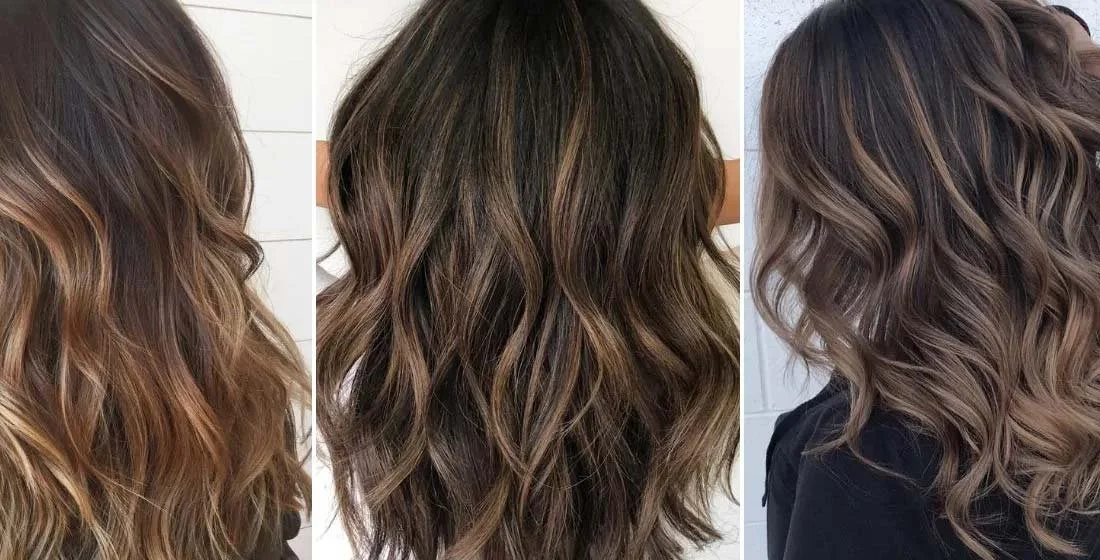
Lightening your hair from a dark shade to a brighter tone can completely transform your overall look.
However, the shift in color also changes how your haircut appears, affecting shape, texture, and dimension. Lighter shades tend to reveal layers, movement, and detail more than darker tones. Because of this, some styles may look sharper or flatter than before.
Adjusting your haircut during a color change can help maintain balance, enhance the new tone, and keep hair looking healthy, modern, and perfectly styled for your new hue.
How Color Affects the Shape and Texture of Hair
When you lighten your hair, the coloring process changes its internal structure and how it reflects light. Bleaching lifts the cuticle layer, making the hair more porous and slightly rougher in texture. This can cause the shape of your haircut to appear different, as layers and movement become more pronounced under brighter tones.
Light colors also reflect more light, which enhances volume and reveals every detail of the cut, from edges to layering. In contrast, darker tones absorb light, creating smoother, more blended lines. Because of this, haircuts that looked subtle in dark shades may appear sharper or more textured once lightened, making balance and precision even more important.
Why You Might Consider a Haircut Change
Going from dark to light hair is more than a color transformation; it changes how your haircut looks, feels, and behaves. When pigment is lifted during the lightening process, the hair’s texture, weight, and reflectiveness are all altered.
Because of this, your previous haircut may no longer complement your new tone or condition, making a trim or complete style update worth considering.
Refreshing Damaged Ends
Lightening hair can cause dryness and minor damage, especially toward the ends. Bleach opens the cuticle to remove pigment, which can leave strands weaker and more porous. A fresh cut helps remove those dry, brittle ends, restoring bounce and smoothness. Even trimming an inch or two makes hair look healthier, more polished, and easier to style, helping your new color shine.
Enhancing Dimension and Balance
A new haircut can enhance the tone and dimension of your lighter shade. Layers can bring out the natural movement and color variations that appear when hair is highlighted or balayaged. A blunt cut might accentuate brightness and gloss, while a textured or layered cut can add softness and natural flow. Adjusting your haircut ensures that your new tone complements your face shape and overall style rather than overpowering it.
Adapting to a New Texture
Lightened hair often feels slightly coarser or drier than before. A cut tailored to your new texture can make styling easier and reduce frizz. Removing excess bulk or weight helps maintain shape and manageability. Your stylist might suggest softer layers, curtain bangs, or feathered ends to enhance movement without adding tension or stress to lightened strands.
Creating a Cohesive Look
When color and cut work together, the result looks intentional and polished. If you have gone several shades lighter, a new haircut can help balance your features and refresh your overall image. Whether you want a modern bob, subtle layers, or a complete restyle, the right shape ensures your new tone looks effortless and flattering.
Changing your haircut after lightening isn’t mandatory, but it often enhances the final result. By blending color, texture, and shape harmoniously, you can achieve a bright, balanced, and healthy-looking transformation that feels completely renewed.
When Keeping Your Current Cut Works
You don’t always need a new haircut after lightening your hair. If your current cut already suits your face shape and your hair is in good condition, keeping it can still complement your new shade beautifully.
Subtle lightening techniques like balayage or ombre naturally enhance your existing layers and add depth without needing structural changes. If your hair remains strong, healthy, and evenly shaped, a simple trim to tidy the ends may be all you need. This approach works especially well for styles that rely on length or weight, such as long layers or sleek bobs.
Maintaining your current cut can help highlight the natural contrast between dark roots and lighter tones while keeping your overall look balanced and effortless.
Haircuts That Complement Lightened Hair
Blunt Bob
A sleek, blunt bob amplifies shine and enhances the reflective quality of light tones. It gives blonde or platinum shades a polished, modern edge.
Soft Layers
Layers add natural movement and dimension, preventing lightened hair from looking flat. They also help distribute volume evenly across fine or highlighted strands.
Face-Framing Pieces
Subtle framing around the face draws attention to lighter sections, brightening your features and creating a soft, sun-kissed glow.
Textured Lob
A long bob with texture suits most face shapes and highlights color variations beautifully. It’s versatile, low-maintenance, and ideal for showcasing balayage or blended tones.
Shag Cut
With choppy layers and volume, a shag cut enhances contrast and depth in lighter shades. It delivers a relaxed, effortless finish perfect for naturally wavy or tousled styles.
Curtain Bangs
These add movement and softness, pairing perfectly with warm blonde or caramel tones for a fresh, romantic appearance.
Maintenance Considerations After Lightening
Lightened hair needs consistent care to stay healthy and vibrant. The bleaching process opens the cuticle, making hair more porous and prone to dryness, so regular hydration is essential.
Use sulfate-free, color-safe shampoo and conditioner to prevent fading and maintain shine. Deep-conditioning masks once or twice a week help restore moisture and strengthen the hair fiber. Schedule trims every six to eight weeks to remove dry or split ends and maintain smoothness.
Protect your hair from heat damage by applying a thermal spray before styling and reducing the use of hot tools. UV exposure and chlorine can alter tone, so wear a hat outdoors and rinse hair before and after swimming.
Regular salon toners or gloss treatments also help preserve the brightness and balance of your new lighter shade.
Professional Tips for Blending Cut and Color
Achieving a seamless transition between your new lighter shade and haircut requires professional coordination. Always consult your stylist before coloring so they can plan how the tone and placement will complement your haircut. Subtle layering enhances highlights and creates movement, while blunt or one-length cuts work best with uniform tones.
For balayage or ombre, soft face-framing layers help the color blend naturally from root to tip. Your stylist may use gloss treatments or toners to harmonize the shade with your skin tone and texture.
Maintaining this balance through regular trims and color refreshes ensures your cut and color stay in sync, producing a cohesive, polished result that flatters your features beautifully.
FAQs
Should you change your haircut when lightening dark hair?
Yes, trimming your hair when transitioning from dark hair to a lighter shade helps maintain better hair health. Lightening treatments can dry or weaken strands, so a haircut removes damaged ends and keeps your hair shiny and strong throughout the coloring hair process.
Why do professional colorists recommend a new cut?
A professional colorist may suggest updating your haircut to complement your new light brown, honey-colored hair, or strawberry blonde shade. Face-framing highlights or lowlights add dimension and a more natural color transition that enhances your overall look.
Can you achieve the perfect result in one appointment?
Lightening dark brown hair to blond often takes more than one appointment. A personalized plan helps achieve your true color gradually while maintaining healthy hair and avoiding damage from overprocessing.
How should you plan ahead before going lighter?
Discuss your previous color, whether box color or semi-permanent color, with your hairdresser. Plan ahead for root touch-ups every few weeks, and use color-safe products between visits to preserve hair health, reduce dryness, and keep your beautiful hair vibrant and strong.
Conclusion
Changing your haircut when you go from dark to light color isn’t always necessary, but it can make a big difference in how the final look comes together.
Light shades highlight every detail of your haircut, so a shape that once worked with dark tones may now appear flatter or uneven. A subtle trim, fresh layers, or a complete restyle can help maintain balance and showcase the brightness of your new color.
The right cut complements lighter tones, enhances movement, and keeps hair looking healthy. Consulting a stylist ensures your haircut and color harmonize perfectly, giving you a polished, refreshed, and flattering transformation.
Visit Heartbreaker Salon Today
Are you looking for the best hair care in Vancouver? At Heartbreaker Salon, we don't just fix damaged hair. We restore it. Since 2011, we've been rated one of the best hair salons in Vancouver and have a high-quality hair care team to back it up. So what are you waiting for? Visit us today!