
How Should You Care for Your Hair After a Major Color Change?
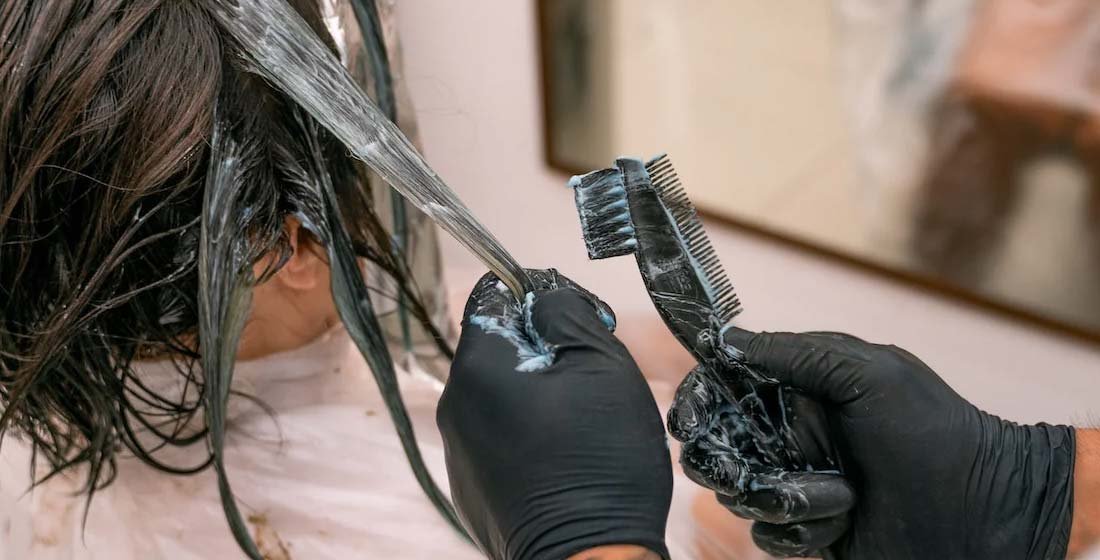
Changing your hair color can completely transform your appearance. Whether you went from brunette to blonde, added bold highlights, or experimented with vivid fashion shades, your hair has undergone a chemical transformation that requires special care.
After a major color change, your hair’s structure and balance are altered. The coloring process lifts the cuticle layer to deposit pigment, which can weaken strands, reduce elasticity, and cause dryness if not properly maintained. The key to keeping your new color radiant and your hair healthy lies in adjusting your routine.
This article explains how to care for your hair after a major color change, from the first wash to long-term maintenance, ensuring your color stays vibrant and your strands remain strong.
Understanding What Happens During a Major Color Change
Understanding what happens to your hair during coloring is key to effective post-color care. The coloring process begins when the cuticle opens, allowing pigment to penetrate the cortex.
This makes hair more porous and prone to moisture loss. When undergoing significant color changes, especially lightening, the hair’s natural pigment is removed, leaving strands more fragile and in need of added protection.
Additionally, permanent dyes often contain ammonia or peroxide, which raise the hair’s pH levels, making it more alkaline. Proper care is essential to restore balance, strengthen strands, and maintain smoothness and shine.
The First 48 Hours After Coloring
The first two days after a major color change are critical. This is when the color sets into the hair shaft and the cuticle begins to reseal.
Wait Before Washing
Avoid washing your hair for at least 48 hours after coloring. Water and shampoo can remove color molecules before they’ve fully settled. Giving your hair time allows the pigment to stabilize and prevents premature fading.
Use Cool or Lukewarm Water
When you do wash, avoid hot water. Heat opens the cuticle, which can release pigment. Rinse with cool water to help lock in color and shine.
Avoid Heavy Styling
Your hair may feel slightly dry or delicate immediately after coloring. Skip heat tools like straighteners or curling irons for a few days. Let your hair rest to recover its moisture and elasticity.
Apply a Leave-In Treatment
A lightweight leave-in conditioner helps seal the cuticle, prevent tangling, and add protection from environmental factors. Choose one formulated for color-treated hair.
Building a Color-Protective Hair Routine
So, you just got your hair colored and it looks amazing, right? You want to keep that vibrant shade looking salon-fresh for as long as possible. Good news – it’s completely doable with a consistent routine.
First, ditch harsh shampoos. Switch to sulfate-free, color-safe shampoos and conditioners. Try limiting washing to just two or three times a week. On off days, dry shampoo is your new best friend. This simple trick helps lock in moisture and protect your color from fading.
Next, focus on hair health. After coloring, your hair needs extra love and care. Use weekly deep-conditioning or bond-repair treatments to balance moisture and protein. Always use low heat when styling and never skip a good heat protectant. With the right routine, your color will stay brilliant, and your hair will stay strong.
Protecting Your Color from Fading
Even with the best products, hair color naturally fades over time. UV rays from the sun can oxidize pigment, so wear a hat or use a UV-protectant spray when outdoors.
If you’re heading to the pool or beach, protect your hair by rinsing it before and after swimming, and use a leave-in conditioner as a barrier against chlorine and saltwater. After workouts, rinse your hair with cool water to remove sweat and salt buildup that can dull color.
For an added boost, schedule a professional gloss treatment every four to six weeks. These treatments enhance shine, refresh tone, and seal the cuticle for longer-lasting vibrancy.
Tailoring Care to Your Color Type
Different color changes require specific care routines depending on how the pigment interacts with your natural tone.
Lightened or Bleached Hair
Bleached hair is the most delicate and needs intensive repair.
Use purple shampoo once a week to neutralize yellow tones.
Incorporate bond-building treatments to strengthen the internal structure.
Avoid overlapping bleach during touch-ups to prevent breakage.
Darkened Hair
Dark dyes may feel nourishing, but they still require careful maintenance.
Use color-safe products that prevent oxidation.
Avoid clarifying shampoos that strip pigment.
Maintain shine with glosses or at-home conditioning masks.
Red or Copper Shades
Red pigments fade the fastest.
Wash with cool water to preserve intensity.
Refresh every four to six weeks with color-depositing conditioner.
Protect from direct sunlight to prevent dullness.
Vivid or Pastel Colors
Bright fashion shades require extra care.
Use only cold water and gentle, sulfate-free products.
Limit washing to twice a week.
Refresh pigment regularly with tinted conditioners or color masks.
Nourishing Hair from the Inside
Healthy hair starts from within. Stay hydrated by drinking enough water daily to support scalp balance and oil regulation.
Eat a diet rich in omega-3 fatty acids, biotin, zinc, and vitamins A and E to keep your hair strong and elastic.
Managing stress through exercise or mindfulness also helps prevent shedding and promotes healthy growth, keeping your new color vibrant and your strands resilient.
Avoiding Common Post-Color Mistakes
Even with good intentions, small mistakes can undo your stylist’s work. Avoid these common pitfalls:
Using Clarifying or Detox Shampoos
These are too harsh for fresh color and will strip pigment prematurely. Save them for occasional deep cleans once your color settles.Applying Heavy Oils Too Soon
Some oils can interfere with how color molecules bond. Wait at least a week before applying heavier treatments like coconut or castor oil.Overlapping Color
Avoid coloring over previously treated areas unless toning. Repeated layering can cause dryness and uneven buildup.Skipping Regular Trims
Split ends make color look faded and uneven. Schedule trims every 8–10 weeks to keep your style sharp and healthy.Ignoring Scalp Health
Use a gentle scalp exfoliator once a month to remove buildup and support healthy growth.
Long-Term Maintenance for Lasting Color
Major color changes are an investment, and maintaining them takes consistency.
Refresh Tone Regularly: Schedule toners or glosses every few weeks.
Use Satin Pillowcases: They reduce friction and moisture loss while you sleep.
Switch Products Seasonally: Adjust hydration levels as humidity and temperature change.
Be Gentle When Drying: Pat with a towel instead of rubbing to prevent frizz.
Stick to One Product Line: Mixing different brands can alter pH balance and dull results.
When to Visit Your Stylist
Even if you're a pro at at-home hair care, sometimes you just need a little extra help! If you start noticing your hair is super dry, breaking more than usual, fading fast, or looking a bit uneven in tone, it might be time for a professional check-up.
Your stylist can work magic with bond-repair treatments, super-strengthening masks, or gloss services to bring back that shine and keep things balanced. Think of regular salon visits as a little tune-up to make sure your hair stays nourished, strong, and looking its best between appointments.
FAQs
What’s the first step after a major color change?
After coloring, use a sulfate-free shampoo and nourishing mask to restore hydration and seal pigment. This protects color molecules and prevents fading.
How can you keep colored hair vibrant longer?
Follow a consistent color-care routine with cool water rinses, color-safe products, and protective oils. Wearing a shower cap or hat also helps protect your shade from water and UV damage.
Should you limit heat styling after coloring?
Yes. Avoid frequent use of hot tools like dryers or irons. Heat weakens color molecules and causes dryness. Always apply a heat protectant spray before styling.
What helps restore hair’s health post-coloring?
Deep-condition regularly, use bond-repair masks, and apply hydrating oils to maintain shine. Balanced nutrition and gentle styling keep both light and dark shades looking radiant.
Conclusion
You’ve nailed your new color, now it’s time to keep it looking flawless. Caring for color-treated hair is all about balance, restoring what was lost during the process while protecting your vibrant new tone.
With regular hydration, gentle handling, and consistent maintenance, your color will stay shiny, soft, and full of life. Treat your hair as the investment it is and enjoy your transformation with lasting confidence and healthy, beautiful results.
Visit Heartbreaker Salon Today
Are you looking for the best hair care in Vancouver? At Heartbreaker Salon, we don't just fix damaged hair. We restore it. Since 2011, we've been rated one of the best hair salons in Vancouver and have a high-quality hair care team to back it up. So what are you waiting for? Visit us today!