
How Layering and Texture Change the Way Hair Color Reflects Light?
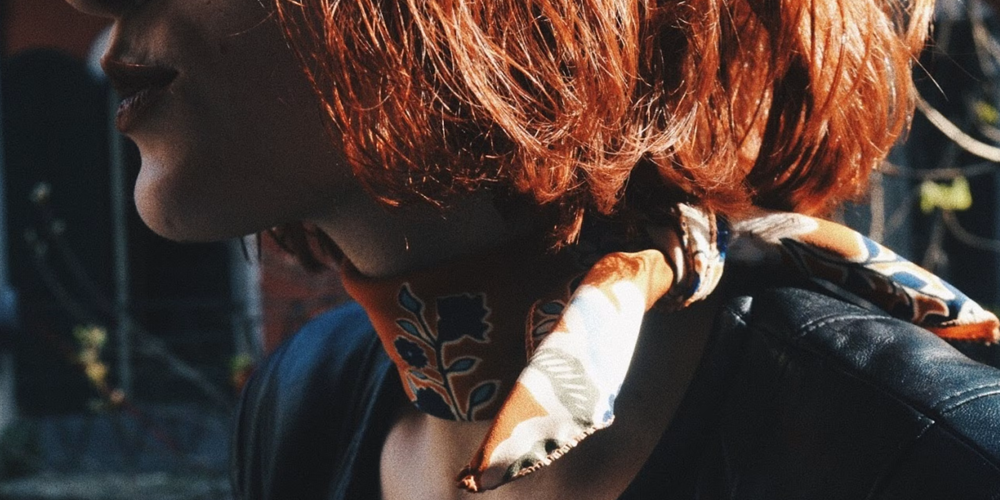
Before choosing a hair color, it is important to understand that the final result is not only about the shade you pick. The way your hair is cut and styled plays a major role in how that color looks. Layering and texture can completely change how light interacts with your hair, affecting shine, depth, and dimension.
Even the same color can appear brighter, softer, or more vibrant depending on these factors. By understanding how layering and texture influence light reflection, you can make better decisions about your haircut and color combination. This helps you achieve a more dynamic, polished look that enhances your overall style.
Why Light Reflection Matters in Hair Color?
Light reflection plays a key role in how your hair color actually looks in different settings. When light hits the surface of your hair, it reflects back and creates shine, brightness, and dimension.
Hair that reflects light well appears more vibrant and healthy, while hair that absorbs light tends to look dull and flat. The condition of your hair cuticle, along with your haircut and texture, affects how evenly light is reflected.
Smooth surfaces bounce light more effectively, enhancing color depth. Understanding light reflection helps you choose the right styles and treatments to make your hair color look richer, shinier, and more noticeable.
Understanding Hair Layers and Texture
Hair layers refer to the way hair is cut at different lengths to create movement and shape. Instead of all strands being one length, layers allow hair to fall more naturally and add dimension. Hair texture describes how your hair feels and behaves, such as straight, wavy, or curly.
It also includes how smooth or rough the surface is. Both layering and texture influence how your hair looks and responds to styling. Together, they play an important role in how light interacts with your hair and how your color appears.
How Layering Impacts Light Reflection
Creates Multiple Angles for Light to Reflect
Layering changes the way light hits your hair by creating different lengths and angles. Instead of light reflecting off a flat, even surface, layers allow light to bounce in multiple directions. This creates a more dynamic and eye-catching effect, making your hair color appear more vibrant and dimensional.
Adds Movement and Depth
Layers introduce natural movement into the hair, which enhances how light interacts with it throughout the day. As your hair moves, light reflects differently across each layer, giving the illusion of depth. This makes even a single hair color look more complex and visually interesting.
Enhances Dimension in Hair Color
When hair is layered, highlights and lowlights become more noticeable. The variation in lengths allows different sections of hair to catch light differently, which enhances contrast. This is especially beneficial for multi-tonal coloring techniques, as layers help each shade stand out.
Reduces Flatness in One-Length Hair
Hair that is cut in one length tends to reflect light evenly, which can make color appear flat or less vibrant. Layering breaks up this uniformity, allowing certain areas to reflect more light than others. This creates a more natural and lively finish.
Improves Shine Distribution
With layers, shine is not concentrated in just one area. Instead, it is distributed across different sections of the hair. This balanced reflection helps the hair look healthier and more polished from various angles.
Supports Better Styling Results
Layered hair is easier to style in a way that enhances light reflection. Whether you add waves, curls, or volume, layers help define the shape and allow light to highlight different parts of the hair. This makes your overall look more polished and visually appealing.
Works Well with Different Hair Types
Layering can be adjusted based on your hair type to maximize light reflection. Fine hair can benefit from subtle layers to add dimension, while thicker hair can use more defined layers to prevent heaviness and improve how light moves across the surface.
How Hair Texture Affects Color Appearance
Smooth Hair Reflects More Light
Straight or smooth hair has a flat cuticle, which allows light to reflect evenly. This makes the color look shinier, brighter, and more vibrant.Rough or Damaged Hair Looks Dull
When the hair surface is rough, it scatters light instead of reflecting it. This causes the color to appear faded, dry, or less noticeable.Curly Hair Softens Color Appearance
Curly hair bends and twists, which diffuses light in multiple directions. This can make the color look softer and less reflective but adds natural depth.Wavy Hair Adds Dimension
Wavy textures create a balance between shine and depth. The movement allows different sections to catch light, enhancing color variation.Porosity Affects Color Absorption
Highly porous hair absorbs color quickly but may lose it faster, leading to uneven or faded results over time.Hair Thickness Changes Color Depth
Coarse hair often appears darker and richer, while fine hair reflects more light, making the color look lighter.Texture Impacts Styling Results
Different textures respond differently to styling, which also changes how color is seen in various lighting conditions.
The Role of Shine and Surface Smoothness
Shine and surface smoothness play a major role in how hair color reflects light. When the hair cuticle is smooth and lies flat, it allows light to bounce off evenly, creating a glossy and vibrant appearance.
This makes hair color look richer, brighter, and more defined. On the other hand, when the surface is rough or damaged, the cuticle is raised, causing light to scatter instead of reflect.
This results in a dull and less noticeable color. Maintaining smoothness through proper care, such as conditioning and minimizing damage, helps enhance shine and improves the overall look of your hair color in any lighting condition.
Why the Same Color Looks Different on Different Hair Types
The same hair color can look very different depending on your hair type due to variations in texture, thickness, and condition. Smooth, straight hair reflects light evenly, making the color appear brighter and more vibrant. In contrast, curly or wavy hair scatters light, which can make the same shade look softer or slightly darker.
Hair porosity also plays a role. Highly porous hair absorbs color quickly but may not hold it evenly, leading to variations in tone. Less porous hair may reflect more light, giving a shinier appearance.
Thickness matters as well. Fine hair often makes color look lighter because it reflects more light, while coarse hair can make the same shade appear deeper and richer. These differences explain why results vary from person to person.
Best Haircuts to Enhance Hair Color Reflection
The right haircut can significantly improve how your hair color reflects light and appears overall. Layered haircuts are one of the best options because they create movement and allow light to hit different sections at various angles. This adds depth and makes the color look more dynamic.
Soft, blended layers work well for most hair types, as they prevent harsh lines and help maintain a smooth surface for better shine. Long layers are ideal for adding dimension without removing too much length, while shorter layers can create more volume and texture.
Face-framing layers also enhance light reflection around the front, making the color more noticeable. Avoid heavy, one-length cuts if you want more dimension, as they can make the color appear flat. Choosing the right haircut helps your color look brighter, richer, and more vibrant.
When to Ask a Professional Stylist
You should ask a professional stylist when you are unsure about your hair’s condition or how a specific color or haircut will turn out. If your hair is damaged, overly processed, or breaking easily, a stylist can assess its health and recommend the safest approach.
It is also important to seek expert advice before making major changes, such as going lighter, adding layers, or trying a new texture. A professional can customize techniques based on your hair type and goals. This helps you avoid mistakes and achieve better, longer-lasting results while keeping your hair healthy.
FAQs
How does layering affect hair color perception?
Layering creates movement, allowing natural light and sunlight to hit the hair from different angles. This changes hair color perception, making undertones more visible. Most people miss this effect in a mirror, but in photos or different lighting, the color appears more dynamic and full of life.
What role does texture play in color change?
Texture adds depth, helping warm tones and cool shades reflect light differently. A smooth head of hair may look flat, while textured hair shows more color change. This contrast makes undertones easier to notice and enhances overall perception.
Why does hair look different in various lighting?
In natural sunlight, warmth becomes more visible, while indoor lighting can shift tones. Different lighting affects how people notice color, sometimes making it appear warmer or cool depending on the source.
How can you achieve better color results?
With precision and an open mind, clients can use layering, the color wheel, and texture to get effortless results that boost confidence and create a natural, balanced look.
Conclusion
Layering and texture play a powerful role in how your hair color reflects light and appears overall. The way your hair is cut and its natural texture can enhance shine, create depth, and add dimension to any color.
Layers introduce movement and allow light to hit different angles, while texture determines whether light is reflected or diffused. Together, these factors can make the same color look brighter, softer, or more dynamic.
By understanding how layering and texture work, you can make better choices when styling or coloring your hair. This helps you achieve a more vibrant, polished look that highlights your color beautifully.
Visit Heartbreaker Salon Today
Are you looking for the best hair care in Vancouver? At Heartbreaker Salon, we don't just fix damaged hair. We restore it. Since 2011, we've been rated one of the best hair salons in Vancouver and have a high-quality hair care team to back it up. So what are you waiting for? Visit us today!