
Why Can Your Haircut Make Your Color Look Better or Worse? Tips Inside
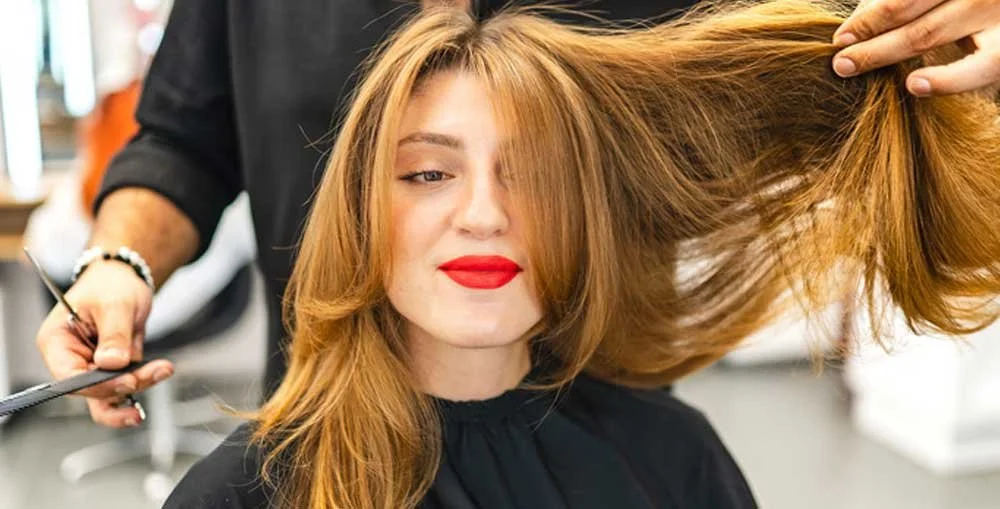
When you walk out of the salon after a perfect appointment, your hair color and cut should work together in harmony, enhancing your features, complementing your complexion, and creating a polished, balanced look. But when either the cut or color feels off, the entire result can fall flat.
What many people don’t realize is that the haircut you choose can completely change how your color looks, even if the shade itself is flawless. From the way light hits your layers to how movement affects dimension, your haircut can either highlight your color’s beauty or diminish its effect.
This article explores how haircuts and color placement interact, why some combinations work better than others, and how to make sure your next salon visit leaves you with a cohesive, radiant style.
The Science of Light, Shape, and Dimension
Hair color is all about light reflection and contrast. When your hair moves, it reflects light differently depending on how it’s cut. Blunt cuts, layered shapes, and textured finishes all change the way highlights or balayage catch the eye.
Light Reflection
A solid, straight cut reflects light evenly across the surface, which makes color appear glossy and uniform. On the other hand, heavily layered or textured cuts break up the surface of the hair, scattering light and creating natural contrast. This can enhance dimensional color techniques like highlights, lowlights, or balayage.
Movement and Flow
Hair that moves fluidly shows off multiple tones. Strategic layers or face-framing pieces help your color appear multi-dimensional instead of flat. However, too much texture in the wrong areas can cause color to look uneven or patchy, especially if the placement doesn’t align with the cut.
In short, the structure of your haircut determines how your color appears to the eye, glossy and seamless or inconsistent and dull.
How the Wrong Cut Can Dull Great Color
Even the most expertly applied color can lose its impact if it’s paired with the wrong haircut. Here are a few ways that can happen:
1. Too Much Weight or Bulk
A heavy, one-length cut can make balayage or highlights look hidden. The color gets trapped beneath layers of hair that don’t move, preventing light from hitting all the tones.
2. Over-Texturizing
Excessive thinning or point-cutting can make hair color appear faded or uneven, especially on fine or light hair. When too much internal weight is removed, color may seem patchy or less reflective.
3. Uneven Layering
If layers don’t follow your natural hair fall or face shape, the placement of highlights may no longer line up. For example, face-framing balayage may look off if new layers cut through the colored sections.
4. Ignoring Growth Patterns
Color and cut need to account for your natural growth direction. For example, if you have a cowlick or swirl, cutting against it can distort how color appears in that area.
5. Outdated Shape
Even when your color is fresh, an outdated or unflattering haircut can make it look lifeless. Without movement or balance, your color loses context it’s like wearing a beautiful outfit that doesn’t fit right.
The takeaway: color and cut should always be designed together, not as separate services.
How the Right Haircut Enhances Your Color
A well-chosen haircut significantly enhances your hair color, creating a seamless, vibrant, and multidimensional look.
Strategic layers and textures emphasize the color's richness, allowing highlights to shimmer or a smooth shade to truly shine. The right cut also frames your face, enhancing features like the eyes, cheekbones, and jawline.
This synergy between cut and color creates dynamic movement and light play, making your color appear more natural and luxurious. It maintains essential balance, pairing geometric cuts with bold hues and softer styles with blended techniques like balayage.
Crucially, aligning your cut and color also simplifies maintenance, ensuring graceful grow-out and longer periods between touch-ups, keeping your hair looking effortlessly professional.
Matching Haircuts with Color Techniques
Each color technique interacts differently with certain cuts. Below are some expert pairings that naturally complement one another.
1. Balayage or Lived-In Highlights
Best Cuts: Long layers, face-framing pieces, and soft waves.
These natural, hand-painted highlights thrive on movement. Layering allows dimension to show, while a slightly tousled finish enhances contrast. Avoid blunt cuts that can hide color placement.
2. Solid or All-Over Color
Best Cuts: Sleek bobs, blunt ends, or classic lobs.
A one-tone color looks best on structured, polished cuts where shine can reflect evenly. Smooth styling highlights the uniform color and makes it appear luxurious.
3. Foil Highlights or Lowlights
Best Cuts: Mid-length shags or feathered layers.
The contrast between light and dark tones appears more vibrant when the hair moves freely. Layering gives highlights room to shine while blending transitions naturally.
4. Ombre or Shadow Root
Best Cuts: Long layers, V-shaped cuts, or beachy textures.
Because ombre fades from dark to light, a layered cut maintains balance and flow. The gradual color change looks best on hair that moves easily, not heavy or blunt styles.
5. Fashion Shades (Vivid or Pastel Colors)
Best Cuts: Modern pixies, blunt bobs, or asymmetrical styles.
Bold shades stand out best on structured cuts that provide a clean canvas. Sharp lines or unique shapes let the color make a statement without distractions.
How Face Shape and Hair Texture Influence the Result
Choosing the right haircut and color depends heavily on your face shape and hair texture. What suits one person might not flatter another.
For round faces, soft layers and vertical highlights can lengthen your profile. Oval faces, however, can pull off almost any combination. Square faces look best with gentle layering and warm tones to soften their angles. The right pairing ensures your cut and color enhance your features.
Hair texture is equally important. Fine or thin hair appears fuller with techniques like babylights paired with a structured bob. Thick or coarse hair benefits from balayage and long layers, which reduce bulk and prevent a blocky look. By considering both face shape and hair texture, your stylist can create a harmonious, custom look that highlights your natural beauty.
How to Coordinate Cut and Color at the Salon
Achieving the perfect harmony between haircut and color comes down to planning. Here’s how to ensure both complement each other beautifully.
1. Book a Combined Consultation
Discuss your color goals and haircut ideas together. This helps your stylist visualize how shape and tone will interact before either process begins.
2. Bring Visual References
Photos help bridge communication gaps. Show examples that capture both the cut and color you like together, not separately.
3. Consider Lighting and Lifestyle
If you spend time outdoors, lighter tones and layered cuts will show more natural movement. If you prefer sleek, low-maintenance styles, choose solid tones with blunt shapes.
4. Schedule Services in the Right Order
For major transformations, stylists usually color after cutting. This ensures highlights or balayage align perfectly with new layers and shape.
5. Maintain a Routine
Keeping your haircut trimmed and your color refreshed regularly helps both age gracefully. A well-maintained haircut prevents your color from appearing faded or uneven as it grows.
Common Mistakes That Can Undermine Your Color
Even a small misstep in haircut choice can lessen the impact of a beautiful color. Here are a few to avoid:
Ignoring the relationship between layers and highlights. If your layers are cut too short, highlights may end abruptly and look unnatural.
Choosing a trendy cut without considering your existing color. For example, a blunt bob can make heavy balayage appear choppy.
Neglecting post-cut toning. Sometimes, adjusting tone after a new haircut helps balance how light interacts with the shape.
Skipping maintenance trims. Split ends and uneven lengths dull color reflection and make hair look less polished.
Expert Tips for Keeping Your Cut and Color in Sync
Trim regularly. Schedule cuts every 8 to 10 weeks to maintain structure and prevent color from appearing dull.
Refresh your gloss or toner. Midway between color appointments, a quick gloss can revive shine and balance tone.
Use color-safe products. Sulfate-free shampoos and UV protection sprays preserve both your cut’s finish and your color vibrancy.
Style with purpose. How you style your hair changes how your color reads. Smooth, straight looks emphasize shine; curls emphasize dimension.
Trust professional advice. A stylist who understands both color theory and cutting technique can craft a combination that enhances your natural beauty perfectly.
FAQs
Why can a haircut make your hair color look better or worse?
The right haircut enhances how light reflects off your head and highlights your color’s depth and tone. A bad haircut, however, can make even a great color appear dull or uneven. The shape, layers, and volume all affect how your hair color pops and settles after styling.
How can I fix a bad haircut that ruins my color?
Don’t panic or rush back to the shop, wait a little time for your hair to adapt. You can try new styling options like bangs, brushing differently, or adding volume to the sides. Watching YouTube or Instagram videos can also help you learn quick fixes and styling tricks.
Does hair type matter when choosing a haircut for your color?
Yes. Fine, curly, or thick hair types reflect light differently, so the same color may look lighter or darker depending on the cut. Always consult your stylist before deciding.
What’s the best way to enjoy your new haircut and color?
Take advantage of the fresh style by learning how to care for it properly. Avoid overwashing, use good brushing habits, and share your look on Facebook or your favorite blog, when you love your style, it shows true confidence.
Conclusion
A stunning hairstyle isn’t just about a trendy cut or a great color, it’s about how the two work together. When your haircut complements your color’s placement, movement, and shine, the result looks effortlessly polished and elevated.
By planning both services together, selecting the right combination for your face shape and hair texture, and staying consistent with upkeep, you can ensure your hair always looks cohesive and vibrant.
Your stylist isn’t just cutting or coloring, they’re creating a complete visual design. The right blend of structure and color can transform your hair from ordinary to extraordinary, no matter your personal style.
Visit Heartbreaker Salon Today
Are you looking for the best hair care in Vancouver? At Heartbreaker Salon, we don't just fix damaged hair. We restore it. Since 2011, we've been rated one of the best hair salons in Vancouver and have a high-quality hair care team to back it up. So what are you waiting for? Visit us today!